
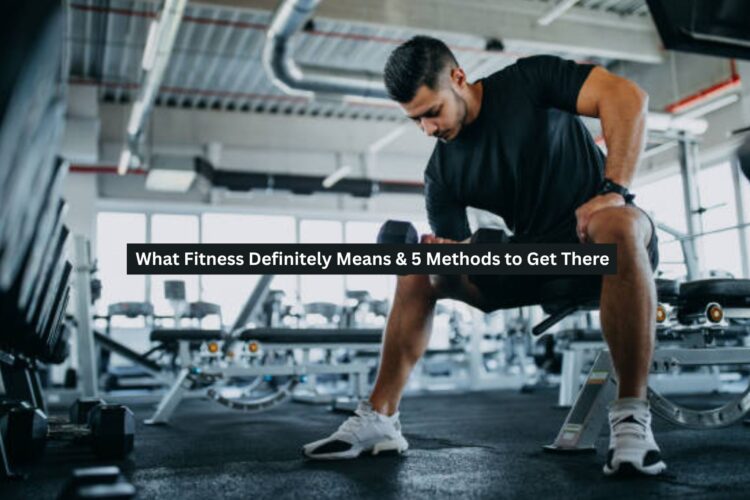
Fitness, as a thought, capacity different things to unique human beings. For a few, it could be approximately gaining energy, while, for others, health should certainly mean staying in shape. But, real fitness is a great deal more than our physical appearance; it’s all about equipping our body to live an extended, ailment-unfastened life.
Over the years, fitness has taken on a commercialised meaning of searching a certain method. Busy routines have additionally caused the rise of severe regimens that promise aesthetically-willing effects in a shorter time. Unnecessary to say, those techniques are not sustainable in the long run and might even cause harm and health hazards. In truth, according to a observe, current health trends led to a few,988,902 injuries between 2007 to 2016.
Weighing the lengthy-term impact of some thing we do for/with the body is continually an amazing idea, mainly for beginners or human beings with any pre-existing health condition.
In this article, we’re going to give an explanation for what it certainly potential to be fit, and a way to attain your health desires in a sustainable and genuinely ‘healthy’ way. Let’s start with answering the basics:
What Is Fitness?
‘Fitness’ is, truly positioned, our capability to do each day activities effortlessly. This means we are capable of carry out everyday tasks besides dropping our breath or any bodily pain, and our body is capable of bear those activities for an extended time period, with the energy to perform them once more.
The 5 Components That Determine Fitness
Cardiovascular Persistence
This refers to our potential to bear bodily activities that require regular cardiovascular support – jogging, biking and swimming are some examples. These activities need our heart and lungs to work together to provide regular oxygen and gasoline at some stage in the body.
Being capable of brisk-walk for 30 minutes except getting breathless is an indication of proper cardiovascular persistence.
Muscular Endurance
The capacity of our muscle groups to move constantly to perform physical sports without any fatigue defines our ‘muscular patience’. For instance, long-distance cyclists who pedal a motorcycle for an extended period, and in unique terrains, need to work on their muscular persistence to sustain their movements.
You have a healthy muscular patience in case you’re able to climb extra than a flight of stairs (generally a fixed of 10 stairs between flooring) except tiring your calf muscles, or carry a heavy bag of groceries from the car to the house barring much stress.
Muscular Strength
This certainly refers to the pressure that our muscles can exert (to pull, push or carry something). We need muscle strength for several everyday duties, like lifting a bucket of water or grocery bags, moving fixtures at home or even opening a heavy door.
Our definition of ‘muscle power’ can rely on our every day requirement of strength; as an instance, a construction worker would need extra muscle energy than someone with a desk job. That said, if you’re able to walk with a huge bucket of water or with a suitcase while touring barring feeling short of breath, you have reasonable muscle strength.
Flexibility
This refers to the capability of all our joints to stretch and move in their available range. Some excessive examples of flexibility might be performing a full split or lunge for an extended period.
You can call yourself flexible if you can do a shoulder stretch (here’s how), a ‘trunk lift’ or a ‘sit and reach check’.
Body Composition
This is decided by what our body is fabricated from – fat, bones, water and muscle mass. There’s an ideal balance of these kinds of elements in a fit body (despite the fact that it could vary based on our age and gender).
Of these, we normally measure our body fat percent, to get an estimate of our standard composition, for the reason that it translates to our muscles and body water content as well. (Measuring our bone density requires medical help and is generally solely done to identify any health conditions).
Ideal Body Fat Percentages
- Ages 20-39
- Women: 21–32%
- Men: 8–19%
- Women: 21–32%
- Ages 40-59
- Women: 23–33%
- Men: 11–21%
- Women: 23–33%
Other Healthy Composition Ranges
- Body Muscle Percentage (Ages 18–35):
- Men: 40–44%
- Women: 31–33%
- Men: 40–44%
- Body Muscle Percentage (Ages 36–55):
- Men: 36–40%
- Women: 29–31%
- Men: 36–40%
- Body Water Percentage:
- Women: 45–60%
- Men: 50–65%
- Women: 45–60%
Our fat percentage can easily be measured by means of a Body Composition Analyser (the device that’s used at gyms and fitness centres to measure our body compositions) or one can opt for a DEXA scan or an MRI at medical centres to get accurate measurements of all the components.
Fitness = Weaving These Components into a Lifestyle
Balancing these five components and being capable of correctly perform the sports within them successfully is what authentic fitness is truly about. Achieving this improves and optimises not solely our health and life span, but additionally our quality of life by reducing the risk of chronic diseases.
Getting there requires workout, eating the right nutrition and continually taking incremental steps towards increased physical activity as we age. This doesn’t always mean performing excessive sports or completely changing our lives. It’s all about the smaller, progressive steps that we are able to sustain, even as preserving our lifestyle.
The ‘Blue Zones’ Example
The ‘Blue Zones’ feature an ideal example of this. These areas are inhabited by some of the oldest (above 100 years old) and healthiest people within the world — and, yet, they do not exercise purposefully. Their physical activities are built into their lifestyle (walking, daily chores, climbing stairs, etc.), making them inherently sustainable, which contributes to their longevity.