

Regular sport and exercise are highly recommended by healthcare professionals across the globe – and for good reason. Regular exercise is essential to our day-to-day functioning and helps keep our major organs like our heart and lungs, in a healthy, stable condition. Not only are sports and exercise beneficial to our physical health, but they’re also critical to our mental and emotional well-being. For some, implementing regular exercise into a daily routine is easy and rewarding.
Others struggle to find a sport or form of exercise that’s right for them, and as a result, tend to enjoy it less and rarely take part. The key to finding enjoyment and purpose in sport and exercise is to find something that motivates you because it directly works towards the specific results you want to achieve. Here’s what you should consider in order to find an activity that’s right for your health and fitness goals.
Consideration 1: The Level Of Commitment Required
Sport and exercise can become a significant or minor part of your daily routine, depending on how much time you’re willing to commit to it. It’s recommended in the UK that all adults should aim for 150 minutes of moderate-intensity exercise every week, which could typically be through cycling, racket sports, dancing or even a brisk walk. Alternatively, for higher-intensity activities like running, it’s advised to aim for 75 minutes a week. If you’re someone who enjoys daily exercise, whether that’s at a low or higher intensity, you can choose a sport or exercise that’s more time-demanding.
Examples of these activities include ultra-endurance racing (triathlons and ultramarathons), equestrian sports and mountain climbing. In many cases, especially for professional athletes in these sports, you could be required to train for up to 30 hours a week, sometimes more! If you’re looking for a sport that is frequent but more flexible, you should consider individual physical activities like running, cycling, home yoga, and weightlifting. If your fitness goals are ambitious, challenging, or based around a short period of time, choosing sports that are more time demanding can put you on a direct path to meeting your fitness goals.
Read: Why I Swear by Kefir for Gut Health (and You Might Too!)
Consideration 2: Financial Requirements
Between different sports and exercise you can be expected to pay a huge range of different prices depending on which you choose. Some forms of physical activity can be done completely free of charge, such as running or HIIT and circuit training. These types of exercises can be easily implemented into your day-to-day routine because they’re extremely affordable and don’t rely on any external support or services. The majority of sport and exercise enthusiasts are more than willing to pay to do a sport of their choosing. If your exercise goals aim for significant fitness improvements or if they’re extremely specific, you can expect to pay more than people with more general fitness goals.
An example of this would be with Hyrox athletes. Hyrox is an indoor fitness race that combines running with a number of different workout training. Usually, athletes who compete in Hyrox competitions are focused on improving their cardiovascular endurance as well as muscular strength. Their specific training goals encourage the majority of Hyrox athletes to train in specific gyms, sometimes charging up to £50 a month, which provide Hyrox equipment for their training.
Consideration 3: Risk Of Injury
When choosing a sport that’s right for your fitness goals, It’s also necessary to consider how much risk of injury is involved with the sport. Athletes who want to improve their cardiovascular health will typically choose high-impact activities like long-distance running, as it directly improves VO2 Max. VO2 Max is the maximum amount of oxygen the body uses during intense forms of exercise. A higher VO2 Max will make it physically easier to run, as with more oxygen in the body, you can produce energy at a quicker rate. The negative to these high-intensity forms of exercise is that they’re closely associated with a significant injury risk. In fact, research suggests that up to 79% of endurance runners have experienced running-induced injuries during their training.
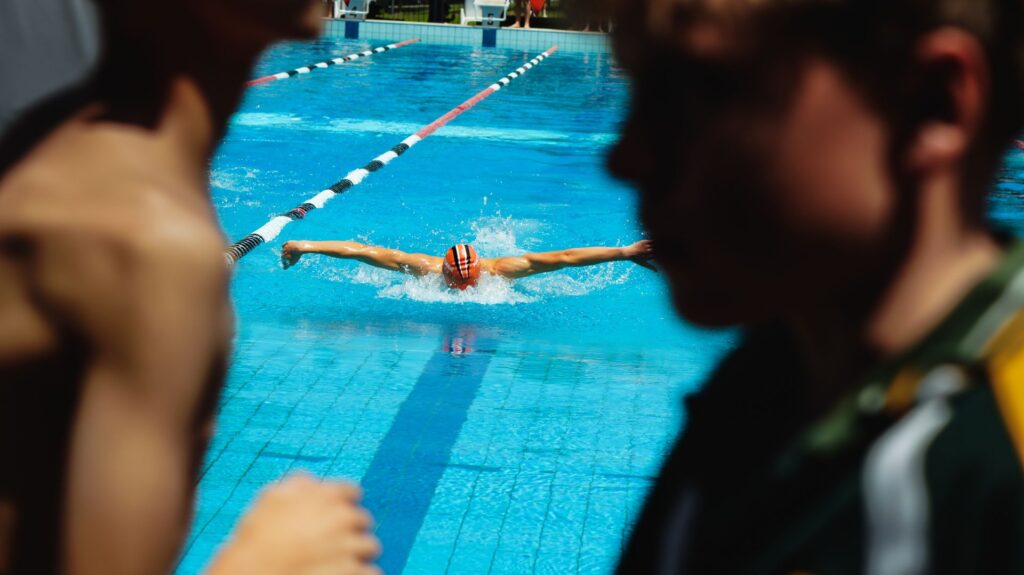
When choosing a sport for your fitness goal, consider sports with a reduced injury risk that still work towards what you’re looking to achieve. Instead of long-distance running for cardiovascular health, try sports like swimming and rowing, which both have major cardiovascular benefits but are much lower-impact on the body.
Training responsibly and with the right amount of rest doesn’t help to avoid all types of sports injuries, especially in multiple injury claims, where you’re injured in sport, and it wasn’t your fault. However, being aware of the risks associated with your training and incorporating proper recovery techniques can help minimise injuries caused by overtraining.